Entice Your Guests with Rotisserie or Fried Chicken

Chicken: Always Delicious and Never Out of Style

Chicken Still Rules the Catering Roost

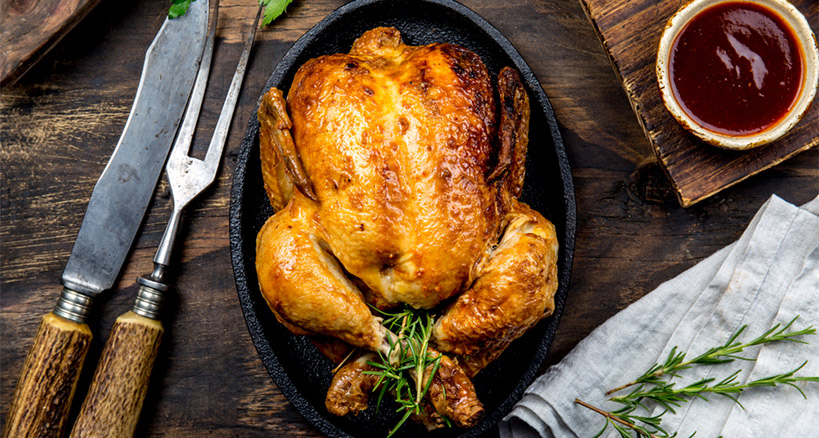
While the latest and greatest trends must always be at the top of your catering menu, and your finger must remain firmly on the pulse of what trend-happy customers are looking for, one can never overlook the trend that seems to never go out of style: getting back to basics. Every few years the pendulum swings back around and basics like chicken – the All-American favorite – come back to top the list of trends to be on the lookout for. Right now, basic chicken recipes such as rotisserie and fried chicken are returning to the forefront of the catering world, so you can’t afford to overlook what has always been right in front of your eyes.

Chicken Remains Popular

The chicken industry in the United States is one of the most successful sectors in agriculture, with no signs of slowing down. Americans consume more than 80 pounds of chicken per person annually. Today’s chickens are healthy and wholesome – and affordable for just about everyone.
There are many varieties of chicken, including free range chicken, organic chicken, and conventional chicken; the difference between them is based on the basis of their breeding. While free-range chicken is allowed to roam freely in the pasture; conventional chicken (at the heart of ongoing controversy), is kept in cages and not allowed to move freely. Conventional chicken is also injected with hormones to fasten its growth and to make it unnaturally big. These are considerations when choosing chickens to feed a crowd (though your customers may dictate what kinds of chicken to use).

Continue reading Entice Your Guests with Rotisserie or Fried Chicken
How Bison Has Become a Big Catering Trend

Impress Your Guests: Serve Bison

Catered Events Benefit from Bison

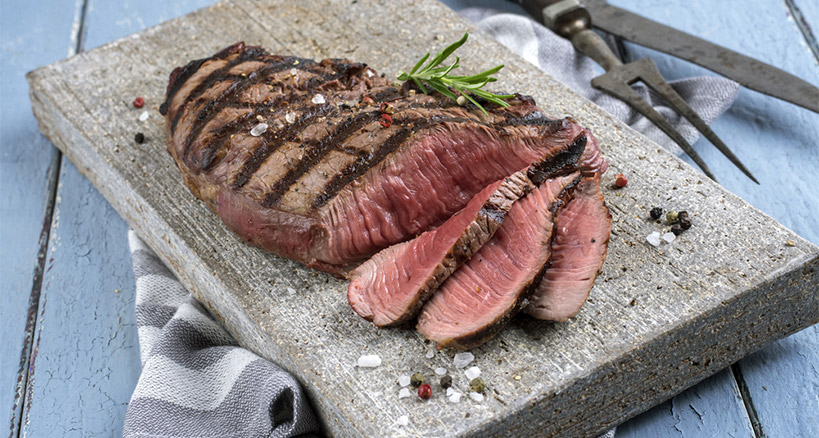
Keeping up with food trends is crucial to offering customers the right menu. These days, “right” means being the healthiest and most environmentally friendly, as well as the most adventurous and interesting. Bison fulfills all the criteria of the trend-savvy consumer, and its place atop catering lists of “hot” items seems to be growing steadily.

History of Bison

Not everyone knows the difference between buffalo and bison; they’re not the same thing and the animals are not interchangeable. The American Bison is native to North and South America and Europe, while most buffalo species reside in Africa and Asia. They’re related, but not identical; in fact, North American bison have a beard, while their Asian relatives don’t. According to the National Park Service, when early explorers came to North America, they thought the animals resembled old world buffalo, and so they called them that, contributing to the general confusion.

During the 20th century, bison came very close to extinction. When the aforementioned early explorers arrived in North America in the late 1500s, there may have been as many as 60 million bison on the continent. In the 1880s, there were approximately 40 million in North America; but by the 1900s, hunting had reduced the population to a mere 1,000. The bison that exist today were bred from just a few individual bison, and they are thriving due to smart breeding efforts and restoration of their native grazing land. The animals now number roughly 400,000 and the bison business is booming.

Bison: a healthier meat

Bison: The Healthier Meat

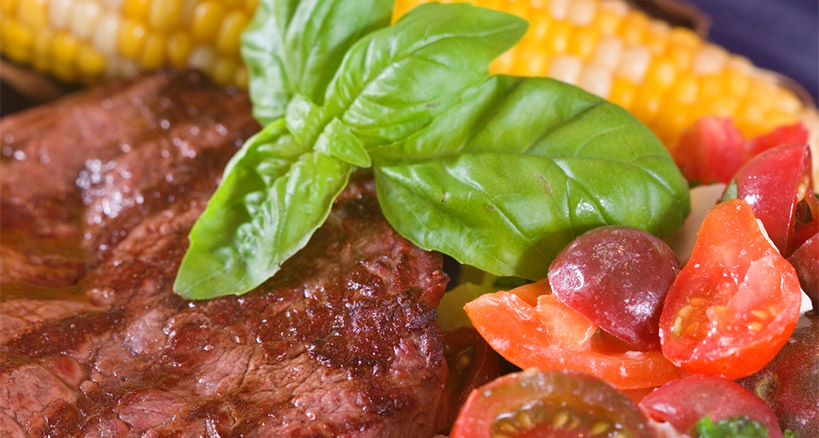
The American Heart Association includes bison as a lean meat option in their Diet and Lifestyle Recommendations. The greatest difference between beef and bison is their respective health benefits; they’re both delicious, but bison meat has the edge when it comes to health and nutrients. Like beef, bison is an excellent source of iron, zinc and certain B vitamins, including vitamin B12 and niacin. However, bison is lower in calories. According to the U.S. Department of Agriculture (USDA) a 3-ounce burger of ground grass-fed bison contains 152 calories and 7 grams of fat, versus a patty that contains even the leanest beef, which has 184 calories and 10 grams of fat. Grass-fed bison contain less saturated fat than beef and is lower in cholesterol.

Continue reading How Bison Has Become a Big Catering Trend

Offer Your Customers Healthier Foods with an Air Fryer

Update Your Commercial Kitchen with an Air Fryer

Air Frying Transforms the Commercial Kitchen

Just about everyone loves fried food and, as a caterer, one of your goals is to give people what they love. However, most people don’t love the calories and the dubious health benefits of fried foods, such as onion rings, French fries, or even fish (which at least has the advantage of being a protein). So what’s a caterer to do? Enter the air fryer: the caterer’s road to making everyone happy.

What is an Air Fryer?

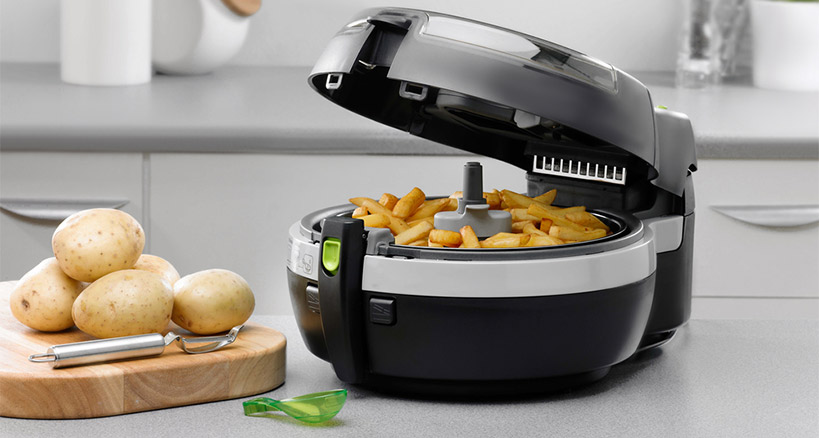
If orange is the new black, air may be the new oil. With an air fryer, you can cook food with the help of circulated heated air, producing tasty and healthier dishes with a lot less oil. We won’t pretend that air frying replicates exactly the heavenly crispy-crunchy texture of deep frying, but with just a tablespoon of oil, French fries, chicken, fish, and vegetables do achieve the yearned for goal: crispy on the outside, soft on the inside, and a great taste.

Continue reading Offer Your Customers Healthier Foods with an Air Fryer

Southwestern Cuisine is Gaining Traction

How to Cater a Southwestern-Themed Event

Southwestern Cuisine at Catered Events

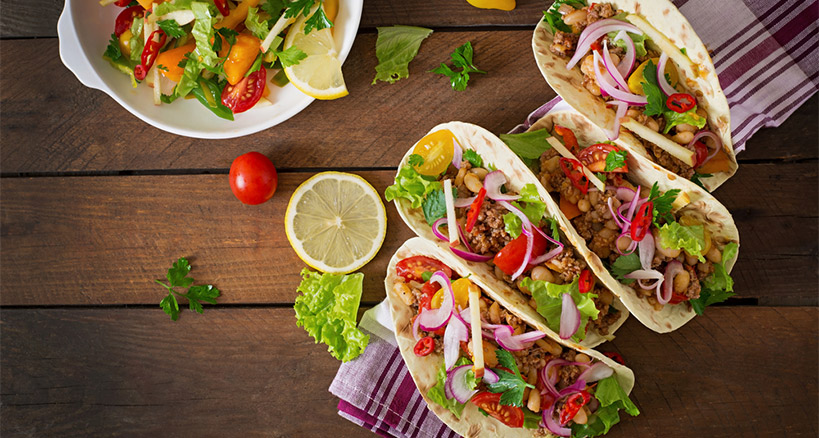
Catering trends are all about finding the new and creative sides of cooking. International cuisine never goes out of style, with Asian, Italian, and French-inspired dishes remaining popular at catered events. However, at the same time that the interest in ethnic foods remains high, American cuisine is waiting in the wings to be the next big thing. In fact, while all eyes were on Indian curries and Thai noodles, Southwestern cuisine has snuck up on the unsuspecting caterer and has taken center stage.

What is Considered the Southwest?

The United States Southwest is an area that spreads from south Colorado and southwest along the Rio Grande River to Arizona; it also includes New Mexico and Southwest Texas, which is the area south and west of the city of San Antonio. This sprawling area that covers four states – Southern Colorado and Texas, Arizona and New Mexico – was settled by Spanish colonists between 1540 and 1598, giving Southwestern food bold, Spanish roots. Alongside the Spanish flavors, the indigenous Americans – Apaches, Navajos, and Pueblos – contributed their foods to the cuisine of the region, making Southwestern cuisine a fascinating combination of tastes and cultures.

Continue reading Southwestern Cuisine is Gaining Traction

Surprise Your Clients with Veggie-Carb Substitutes

Use Vegetables Instead of Carbs for Healthier Menu Options

Vegetable Carbohydrate Substitutes

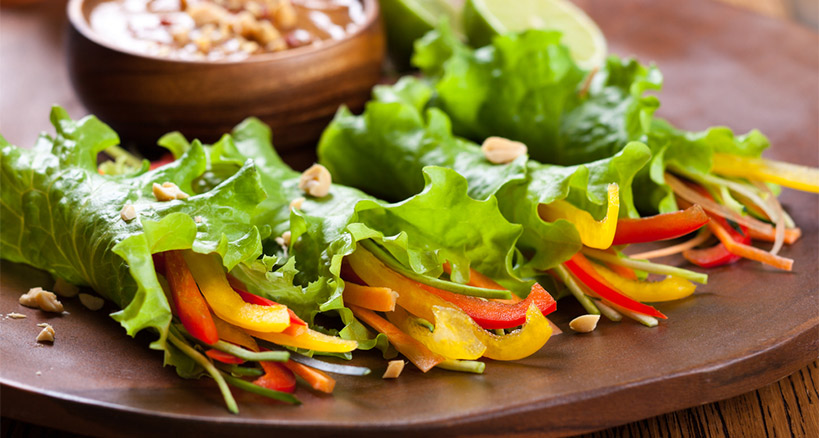
The body’s relationship with carbohydrates is complex – the ultimate love/hate relationship. There’s no question that carbs are important: they give us energy and they contribute to normal brain function. However, not all carbs are good for us, especially not when eaten in large quantities. Many carbs are basic comfort foods – pasta, rice, bread, etc.—and it’s easy to overdo the pleasure of that particular comfort. While some people are ok with cutting out carbs altogether, a better idea may be to eat less of them. Replacing the simple carbs mentioned above with vegetable-based substitutes could be just the solution for adapting a healthier diet.

Why Eat Carbs?

Carbs seem to be everywhere; they’re found in fruits, vegetables, breads, pasta, and dairy products, and they’re an important source of energy. The body uses carbs to make glucose, which is a type of sugar that can be used immediately for energy or stored for later use. “Carbohydrates provide the body with the energy it needs and are a good source of many vitamins and minerals. However, not all carbohydrates are created equal,” says Donna Logan, a registered dietitian at the University of Texas Medical School in Houston.

Continue reading Surprise Your Clients with Veggie-Carb Substitutes

Discover the International Breakfast Food Trend

Ethnic Foods are Transforming the Traditional Breakfast Buffet

The Breakfast Trend Goes Global

Buffets, in general, and breakfast buffets, in particular, are hugely popular at catered events, and the trend seems to be gaining steam. However, because there is no rest for the weary, and because caterers can never rest on their laurels, smart caterers are always looking for ways to increase the intrigue and allure of their menu offerings. Enter the internationally inspired breakfast – the hottest trend in catered affairs.

A New Twist to an Old Stand-By

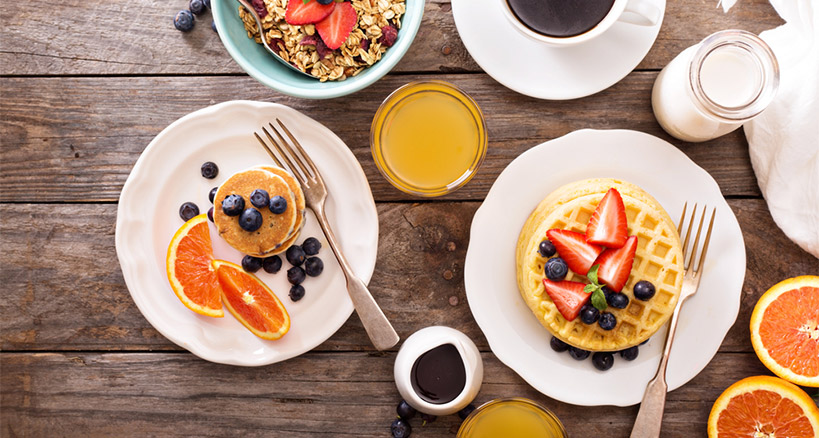
While pancakes and waffles never go out of style, and omelet stations are still an integral part of breakfast buffets, the savvy caterer is now going beyond the U.S. borders and incorporating foreign flavors and international dishes in their breakfast menus. According to the National Restaurants Association, 68% of the American Culinary Federation Chefs surveyed chose ethnic-style breakfast food as one of the hottest trends of 2018.

Continue reading Discover the International Breakfast Food Trend

Poke Bowls, Originally from Hawaii, Are a Big Hit in the Rest of the U.S.

Poke Bowls: The Trend Continues in 2018

Poke Bowls Come to the Mainland

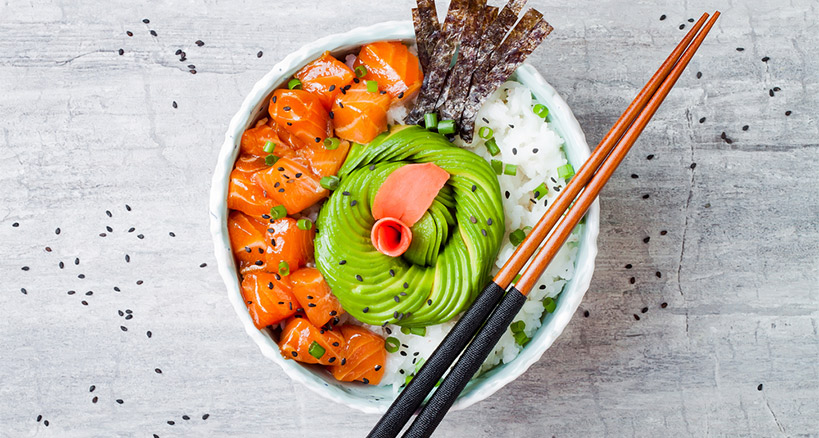
Although in Hawaii, the poke bowl is as integral to the national cuisine as pasta is in Italy or sushi is in Japan, in the rest of the United States it’s a trend that, while new a few years ago, seems here to stay. Poke is chopped raw fish that is usually seasoned with soy sauce and sesame oil, and served over warm or hot rice, and it’s a staple in the food culture of Hawaii, where it can be found everywhere from supermarkets to take-out joints. For those in the “lower 48” who are just discovering poke bowls now, it’s not a moment too soon.

Poke Facts

If you take the elements of sushi – raw fish, rice, vegetables, seaweed, sesame oil, etc. – and put them together in a bowl (and not in a roll), you’d be looking at a poke bowl, a tradition that dates back centuries in Hawaii. Poke is pronounced poh-kay, and the word means “to cut.” The fish in a poke bowl – ahi tuna or salmon, for instance – is marinated, chopped, and dished out over hot rice. The rice-fish combination is then seasoned with a variety of sauces, such as rice vinegar, soy sauce, spicy mayo and other, more-exotic options like ponzu sauce (more on this flavorful sauce later); vegetables, like chopped scallions or tomatoes can be added, along with sesame seeds or other seeds.

Continue reading Poke Bowls, Originally from Hawaii, Are a Big Hit in the Rest of the U.S.

How to Interview and Hire the Best Head Chef

Learn How to Hire the Right Head Chef for Your Catering Business

How to Hire a Head Chef for a Catering Company

If you have a catering company, but are too absorbed by the business end of the operation to do the cooking yourself, it’s time to start looking for a head chef. This might seem like a daunting task, as the chefs you should be considering are many things rolled into one: They must be passionate about their job, creative and ingenious in the kitchen, and able to lead a full staff at the same time that they whip up the fabulous dishes that will keep your business alive. You will probably have to interview many candidates before finding the best person for the job, but once you do, you’ll rest better knowing that the food end of your business is in the most capable hands.

Hiring a Head Chef

Hiring a chef is a major challenge for a caterer. You’ll be looking for someone who is a competent and hardworking chef, as well as a person who will be as dedicated to your company’s success as you are. If you find the right person for the job you will be able to trust him or her to prepare food (of course), as well as train new staff members, develop menus, and offer input and advice regarding marketing decisions that will affect your business. The head chef will become your right-hand person and you should take your time thinking about what you’re looking for, wording the best advertisement, sifting through resumes, and interviewing the candidates.

Continue reading How to Interview and Hire the Best Head Chef

The Revival of Pâté is a Welcome Trend for Caterers and Guests Alike

Pâté: The Catering Trend that is Making a Splash

Pâté: The Next Best Thing is Here

When it comes to catering trends, the phrase, “what goes around comes around,” is particularly meaningful and relevant. The culinary pendulum is in constant swing and what goes out of style one year is bound to become the trend of the moment a decade or two later. Wait long enough and tried-and-true buffet staples, like pâté, start showing up again at catered events, with a few twists and turns that make them a dish so right for our times. The classic French favorite, pâté, as well as various modern interpretations, are now a trendy item that can showcase a caterer’s skills.

What is Pâté?

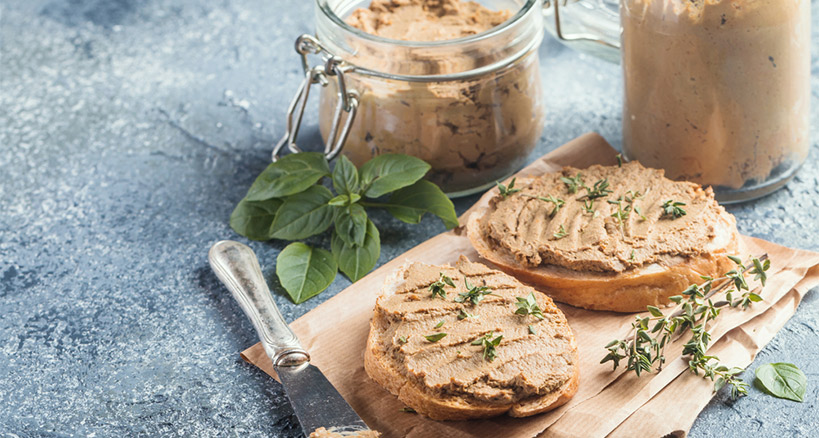
Pâté (pronounced pah-TAY) is French for “pie,” but we tend to refer to anything that is ground into a spreadable topping for crackers, or molded into a terrine, as pâté. It is often served baked in a crust (en croûte) but it is easier to simply serve the pâté mounded in a decorative way, so that guests can easily partake.

Continue reading The Revival of Pâté is a Welcome Trend for Caterers and Guests Alike

Open a Gourmet Popsicle Business to Keep Up with the Pop Trend

Gourmet Popsicles: A Trendy, Niche Food-Industry Opportunity

Opening a Gourmet Popsicle Business

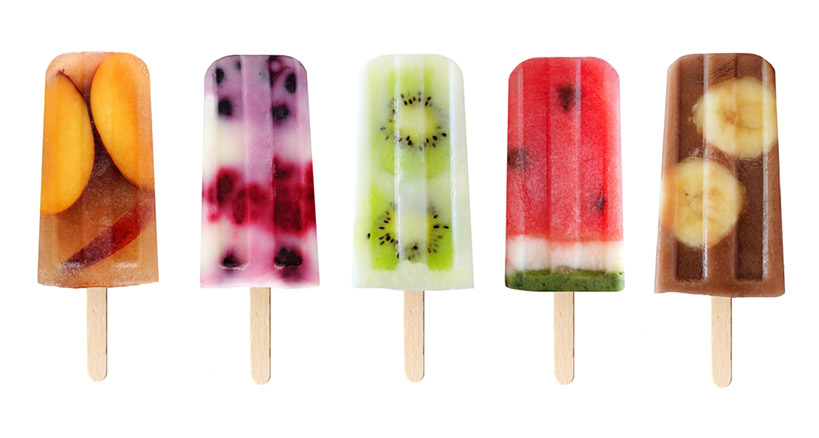
For many of us, cooks and customers alike, popsicles hold a dear place in our hearts, evoking the summer days of childhood spent outdoors, listening for the distinctive melody of the ice cream truck and celebrating its arrival. The heat of the summer would be alleviated with a sweet, frozen treat on a stick, whether fruity and colorful, or creamy and chocolatey. On the strength of this memory – of popsicles gone by – the frozen treat is finding its way in an updated and dressed-up version. Gourmet popsicles are all the rage right now.

Popsicle Catering: A Niche Operation

While many caterers will supply their own cakes, cookies, pies and other baked desserts for their catered affairs, very few of them will also be able to prepare gourmet popsicles in bulk without seriously expanding their operation. Instead, caterers are outsourcing their popsicle order requests to entrepreneurs who have set up an operation devoted solely to gourmet popsicles, so that these orders – which are becoming more and more popular every day – can be accommodated.

Continue reading Open a Gourmet Popsicle Business to Keep Up with the Pop Trend