
Food waste has long been an unfortunate byproduct of commercial kitchens, including both restaurant and catering kitchens. Organizations such as the Food Waste Reduction Alliance (FWRA),continue working toward reducing food waste with the dual goal of shrinking our environmental footprint and helping feed those in need. So, what can you do to reduce waste in your commercial kitchen? Read on.
What is Food Waste?
The sources of food waste are many and varied. Food waste is generated by consumers and the foodservice industry, including restaurants, catering companies, cafeterias, and institutional kitchens, but it can also occur during manufacturing and distribution. In commercial kitchens, food waste often includes ingredients that spoil before they are used, food prepared incorrectly, leftovers from customers’ plates, and excess trimmings during food preparation. Even small amounts of waste can quickly add up in a busy kitchen, leading to unnecessary food costs and larger environmental concerns.
The Role of Commercial Kitchens in Reducing Food Waste
Monitor Your Garbage
Restaurant and catering food waste can generally be divided into two major groups: food wasted before it reaches the customer and food left behind after guests finish dining. Waste generated before service often occurs during food preparation and may include vegetable peels, excess trimming, spoiled ingredients, improperly prepared meals, or food accidentally contaminated during handling. Tracking what is being thrown away can help identify patterns and reveal areas where purchasing, storage, or preparation methods can be improved.
When Ordering Food
Commercial kitchens can do much to reduce the food waste that ends up in landfills, particularly when it comes to tracking the type and amount of food being brought into the kitchen. Buying large quantities at once may seem convenient and economical, but over-ordering highly perishable items often leads to spoilage and unnecessary waste.
Certain foods, especially produce, simply do not last as long as canned goods or dry storage items. For example, buying a large quantity of fresh fruit may save money upfront, but if the product cannot be used in time, much of it may end up being discarded. Instead, try ordering smaller amounts more frequently or ask your supplier if produce can be delivered in different stages of ripeness. In addition, inspect all deliveries carefully as they arrive, not just the items on top. If products appear damaged or close to spoiling, do not accept the order.
Storing Food
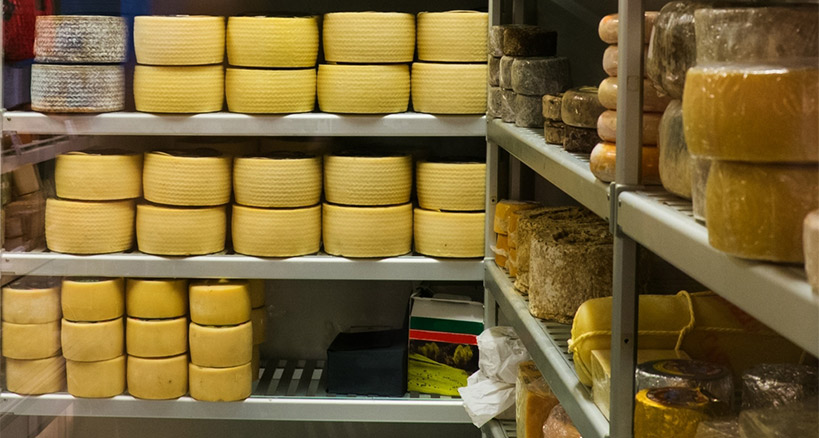
Storing food properly is one of the easiest ways to reduce waste and extend shelf life. Food products should be stored in appropriate, clearly labeled food storage containers and rotated using a first-in, first-out (FIFO) inventory system so older ingredients are used before newer deliveries.
Cross-contamination is another major cause of food waste. If raw meat is stored near vegetables or cooked foods, bacteria can spread and force products to be discarded. In addition, always ensure that your food is stored at the proper temperatures. Always keep refrigerated foods foods at 41°F or below and Frozen foods foods at 0°F or below.
Separating food-storage areas and food-preparation areas and using separate cutting boards and knives for raw and ready-to-eat foods can also help reduce contamination and unnecessary waste.
Portion Control is Key to Reducing Food Waste
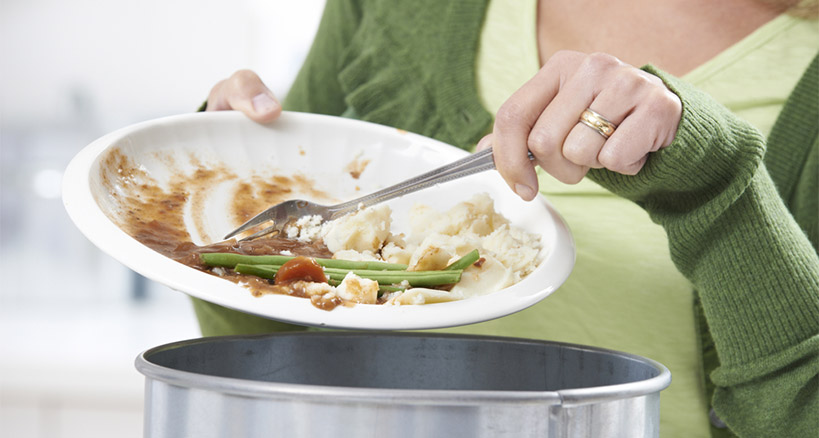
Proper portion control is one of the most important steps in minimizing food waste. Oversized portions often lead to unnecessary plate waste and higher food costs. Using food scales, ladles, portion scoops, and portion control tools can help kitchens maintain consistency while reducing waste. Some restaurants also find that slightly smaller plates help reduce leftovers without negatively affecting customer satisfaction.
Composting
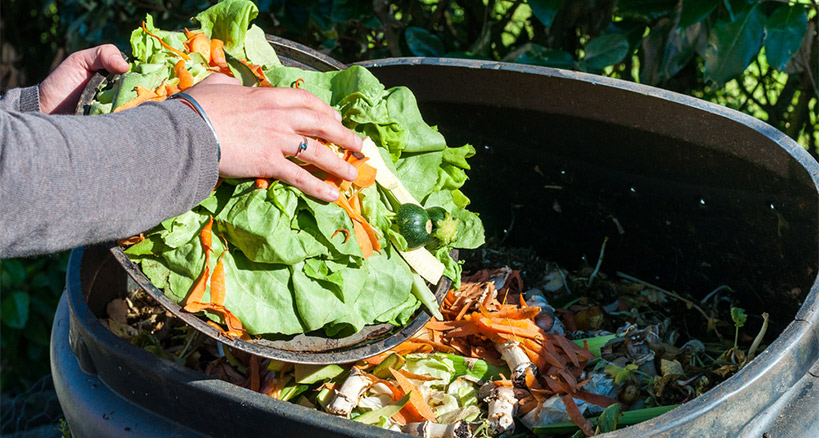
Composting is an excellent way to reuse food scraps and minimize waste. Vegetable peels, fruit skins, coffee grounds, eggshells, stale bread, and similar scraps can often be composted instead of thrown away. These materials break down naturally into nutrient-rich compost that can be used for gardening or landscaping. Many cities and waste management programs now offer composting services specifically for restaurants and commercial kitchens. Some operations also choose compostable disposable products as part of their broader environmental efforts.
Repurpose Ingredients and Menu Items
To everyone involved in a commercial kitchen, food waste is something to avoid whenever possible. When planning your menu, keep waste reduction in mind and look for creative ways to reuse ingredients before they spoil. Leftover roasted vegetables, for example, can be turned into soups or sauces, while day-old bread can be used for croutons or bread pudding. Extra chicken can easily be repurposed into salads, sandwiches, pot pies, or daily specials. Taking advantage of ingredients already on hand not only helps reduce waste, it can also lower food costs and improve kitchen efficiency.
If certain menu items consistently produce excess leftovers, it may be worth adjusting portion sizes or reconsidering whether those dishes should remain on the menu.
Donate Leftover Food
Many restaurants and catering businesses donate excess prepared food to shelters, soup kitchens, and community organizations that help feed those in need. The Bill Emerson Good Samaritan Food Donation Act continues to provide liability protection for businesses donating food in good faith to nonprofit organizations. Food donation programs not only help reduce waste, they also benefit local communities facing food insecurity.
Food Waste Logistics
If reducing food waste feels overwhelming, assigning the responsibility to a designated team member can help keep the process organized. Managers or kitchen staff can track food waste, monitor inventory trends, and identify areas where waste can be reduced. At the same time, all employees should be trained on proper food handling, storage, portioning, and waste reduction practices, regardless of whether they work in the kitchen, front of house, or catering operations. The goal is to keep waste in your operation to a bare minimum while improving efficiency and reducing unnecessary food costs.
I love this article! I’d also love to connect with you about how Compost Crew and lions deal could work together. Let me know!